
How-To · Interior
How to Paint Interior Walls Like a Pro
By Kimon Kalligas · 8 May 2026
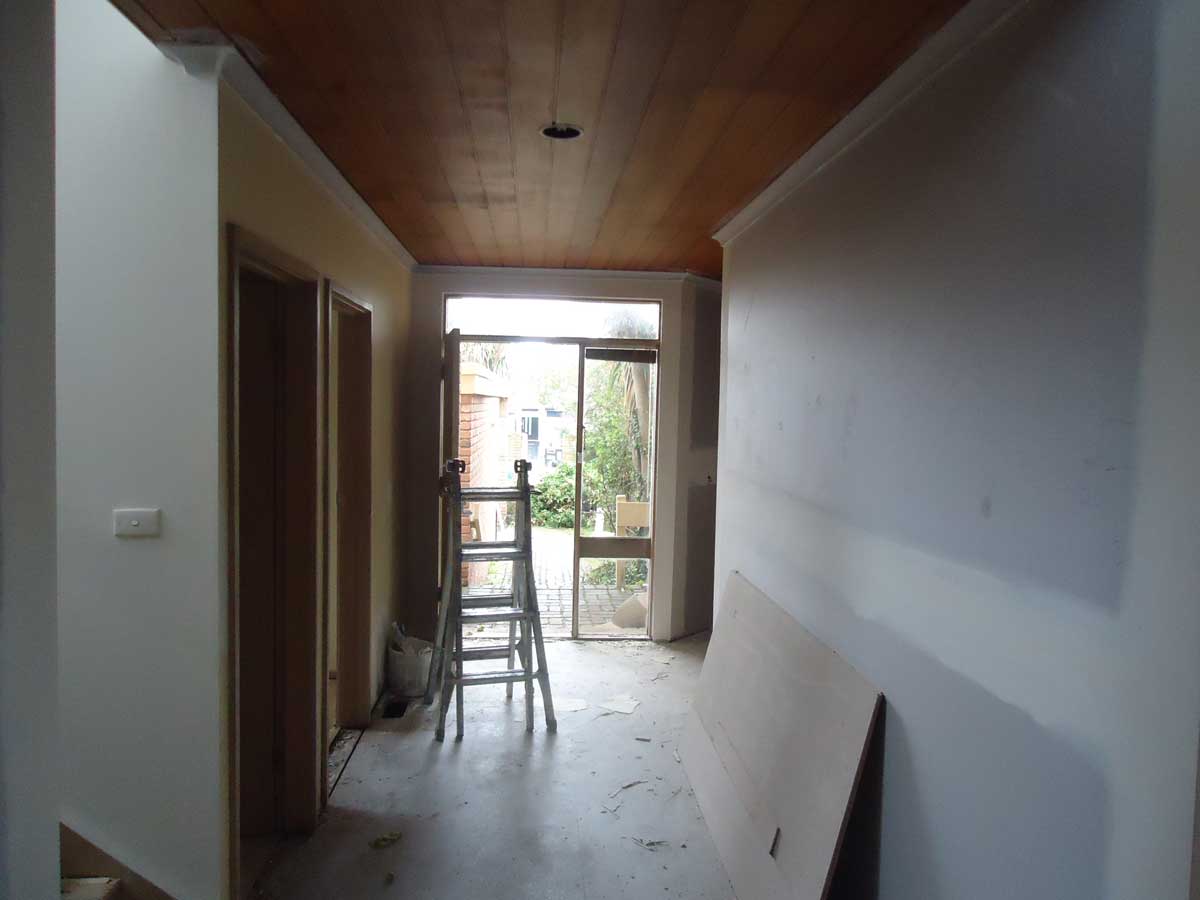
Painting interior walls is one of the easiest ways to add colour, character and a fresh feel to a room. It can look daunting the first time, but with the right materials and a bit of patience it is a straightforward and satisfying job. Here is the process we follow, step by step.
Preparation
Start by clearing the room. Take out what you can and move the rest to the centre, then cover it with drop sheets. Remove the outlet covers and switch plates, or tape over them. Pull out any nails or screws and fill the holes with filler, then sand them back smooth once dry. Run painters tape along the trims, window frames and door frames to keep your lines clean.
Cleaning
Do not paint over dust and grime. Wipe the walls down with a damp cloth or sponge so the paint can bond properly. For greasy or marked areas, sugar soap will cut through the build up and leave a clean surface. Let the walls dry before you move on.
Priming
If the walls have never been painted, or you are making a big colour change, prime them first. Primer creates an even surface and helps the topcoat sit well, which gives a more professional result. If you are using a combined paint and primer, you can skip this step.
Choosing the Paint
Match the paint to the room. Flat and matt finishes hide imperfections nicely but are less hard wearing. Satin, semi gloss and gloss are tougher and easier to wipe clean, which makes them a better choice for hallways, kids rooms and other high traffic areas.
Cutting In
Before you reach for the roller, cut in the edges. This means brushing a neat border around the ceiling line, corners, skirtings, windows and door frames. Use a good quality angled brush and paint a band a couple of inches wide. Cutting in first keeps the roller away from surfaces you do not want painted and gives you crisp edges.
Rolling On the Paint
Now for the main event. Pour the paint into a tray and load the roller evenly, without overloading it, as too much paint causes runs and patchy coverage. Start near the top of the wall and work down in sections, overlapping each pass while the paint is still wet so the coat blends into itself. Keep a steady rhythm and you will avoid roller marks.
Second Coat
Once the first coat is fully dry, stand back and check it in good light. Most colours need a second coat for an even, solid finish. Apply it the same way as the first, again overlapping each section for consistent coverage.
Cleaning Up
When you are done, peel the painters tape off carefully before the paint fully hardens so it lifts cleanly. Let everything dry before you refit the outlet covers and switch plates. Wash your brushes and rollers in warm soapy water for acrylic paint, and dispose of leftover paint and empty tins according to your council guidelines.
Take your time with each step and you will end up with a clean, even finish that transforms the room and holds up for years. And if a job is bigger than you fancy taking on, that is what a professional painter is for.